Spring Migration 2026: When, Where & What to Watch For
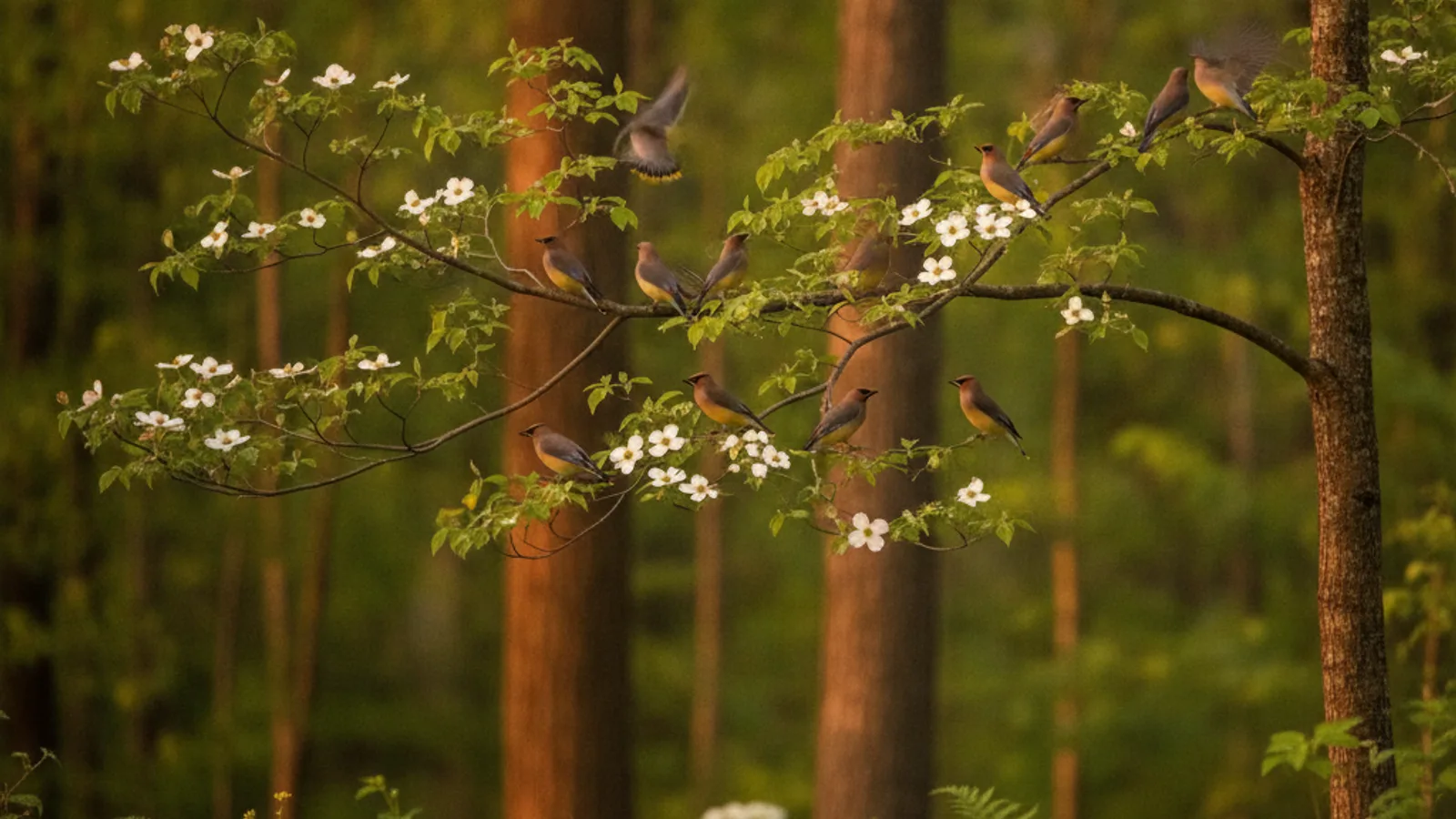
Every spring, billions of birds make the journey north, from Central and South America to breeding grounds across the United States and Canada. It's the greatest wildlife spectacle on the continent, and it's happening right over your head. Here's everything you need to know to make the most of spring migration 2026.
The Timeline
Migration doesn't happen all at once. Different species move at different times, creating waves of new arrivals from February through June.
Late February, Early March
The early birds. Red-winged Blackbirds, Killdeer, and American Woodcock are among the first to push north. Great Blue Herons return to rookeries. Waterfowl migration peaks, look for huge flocks of Snow Geese and Tundra Swans.
March, April
The floodgates open. Sparrows, thrushes, and early warblers arrive. Eastern Phoebes, Tree Swallows, and Purple Martins return. Osprey and Broad-winged Hawks stream north. Ruby-crowned Kinglets and Hermit Thrushes pass through.
Late April, Mid-May
Peak migration. The main event. Warblers explode through the landscape, 30+ species possible in a single morning at the right spot. Tanagers, orioles, grosbeaks, vireos, and flycatchers flood in. Shorebirds pile up at wetlands. This is the two weeks that birders live for.
Late May, June
The stragglers. Late warblers (Blackpoll, Mourning, Connecticut) pass through. Shorebird migration continues. Most species are now on territory and singing, excellent for learning songs and finding breeding birds.
Top Migration Hotspots
The "Warbler Capital of the World." Birds pile up along Lake Erie's south shore, exhausted from crossing the lake. The boardwalk trail puts warblers at eye level, just feet away. Peak: May 5-15. The Biggest Week in American Birding festival happens here annually.
An island of green in a sea of concrete. Migrating birds funnel into Central Park, creating extraordinary concentrations. The Ramble and North Woods are legendary. You can see 100+ species in a day during peak migration, in the middle of Manhattan.
First landfall for birds crossing the Gulf of Mexico. After 600 miles of open water, exhausted migrants drop into the first trees they find. During "fallout" conditions (storms over the Gulf), thousands of colorful birds carpet the ground and low branches. Peak: mid-April.
Canada's southernmost point and a legendary migration funnel. The peninsula concentrates migrants heading north across Lake Erie. 370+ species recorded. Peak: May 1-20.
Target Species
These are the birds that make spring migration special, colorful neotropical migrants returning from Central and South America:
Migration Tips
- Check the weather. Warm south winds = birds moving north. Cold fronts and rain = birds grounded (great for viewing). Use BirdCast (birdcast.info) to see real-time migration forecasts.
- Go early. Dawn is magic hour. Birds are most active in the first 2-3 hours after sunrise, feeding after a night of flying.
- Find water. Migrating birds need to drink and bathe. Any water feature, creek, pond, even a dripping hose, becomes a magnet.
- Look for edges. Where forest meets field, where park meets water, edges concentrate birds and make them easier to see.
- Learn by ear. During peak migration, you'll hear 10 birds for every 1 you see. The free Merlin app can identify songs in real time using your phone's microphone.
- Bring patience. Some mornings are slow. Then suddenly a wave hits and there are birds everywhere. Stay put and let them come to you.
Make It Count
Log your sightings on eBird. Your observations contribute to real science, researchers use eBird data to track migration timing, population trends, and habitat use. It's free and takes just a few minutes.
Spring migration is fleeting, the peak warbler window is barely two weeks. Don't wait for the perfect day. Get outside, look up, and let the birds find you. They've been flying thousands of miles to get here. The least we can do is notice.
Spring Migration Birding Kit
As an Amazon Associate we earn from qualifying purchases. Links below help support BirdSpot at no cost to you.
The right gear turns spring migration from a glimpse into an experience. Here’s what we use:
Binoculars (the one essential)
- Best beginner pair: Nikon Prostaff P7 8x42, sharp optics under $200, lifetime warranty.
- Best mid-range: Vortex Diamondback HD 8x42, $250-300, the standard for serious birders on a budget.
- Compact for hiking: Nikon Monarch M5 8x42, lighter than full-size, sharp through the field.
Field Guides & Apps
- The Sibley Guide to Birds (2nd ed.), the gold standard. Detailed plumage variations and range maps.
- Peterson Field Guide to Eastern Birds, smaller, more focused. Best for beginners.
- Free apps: Merlin Bird ID (Cornell Lab), sound ID + photo ID, completely free. eBird for logging sightings.
Feeders to attract migrants
- Oriole feeder (jelly + oranges), for Baltimore and orchard orioles in May.
- Hummingbird feeder, ruby-throats arrive late April through May.
- Suet feeder, warblers, vireos, and woodpeckers will all hit suet during migration.
- Platform feeder with mealworms, bluebirds, thrashers, and even warblers will visit.
For a complete feeder breakdown, see our Best Bird Feeders 2026 guide. For comprehensive binocular reviews, check Best Ergonomic Binoculars 2026.