The Great Knot: Discovering the Largest Species in the Genus Calidris
Introduction to the Genus Calidris
The genus Calidris represents one of the most diverse and fascinating groups of shorebirds in the world. These small to medium-sized sandpipers are found across virtually every continent, with species ranging from the tiny Least Sandpiper to the impressive Great Knot. Understanding the diversity within this genus helps birders appreciate the remarkable adaptations these species have developed for life along coastlines, mudflats, and wetlands worldwide.
Among the approximately 24 species within the genus Calidris, size variation is quite remarkable. While most members of this genus are relatively small birds, typically weighing between 15-50 grams, there is one species that stands out significantly from its relatives. The largest species in the genus Calidris is the Great Knot (Calidris tenuirostris), a magnificent shorebird that can weigh up to 180 grams and measure up to 28 centimeters in length.
Meet the Great Knot: The Giant of Calidris
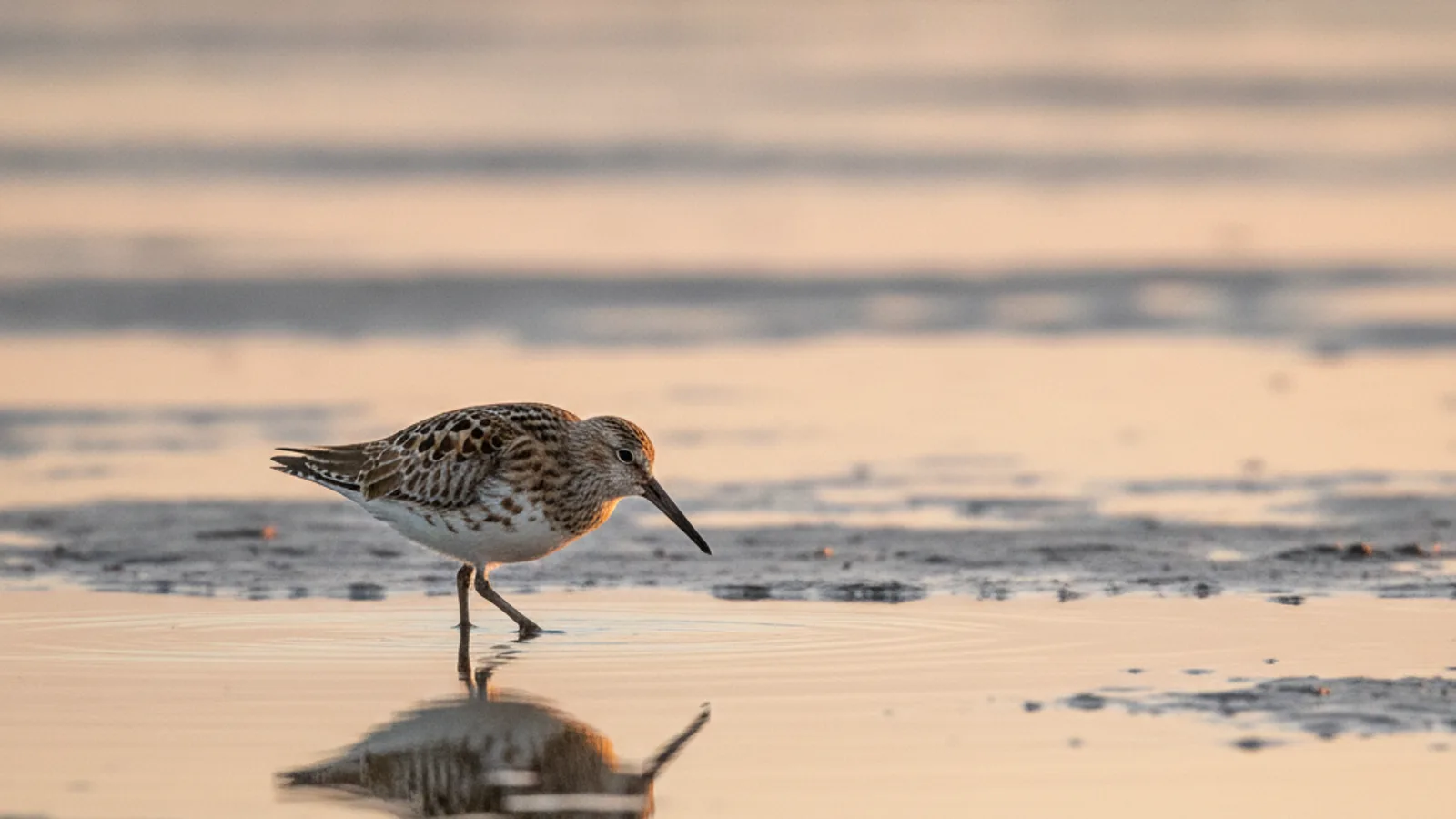
The Great Knot (Calidris tenuirostris) is truly the heavyweight champion of the Calidris genus. This impressive shorebird is nearly twice the size of many of its relatives, making it easily distinguishable in mixed flocks of sandpipers. Native to the Asia-Pacific region, the Great Knot has evolved unique characteristics that set it apart from other members of its genus.
First described by Horsfield in 1821, the Great Knot has been recognized as a distinct species for over two centuries. Its scientific name tenuirostris literally means
Frequently Asked Questions
How can I distinguish a Great Knot from other large sandpipers in the field?
Great Knots can be identified by their substantial size (largest in the Calidris genus), long straight bill, and distinctive plumage patterns. In breeding plumage, look for rufous coloring with black spots on the breast. Their size advantage over other Calidris species is usually apparent when seen alongside other sandpipers, and their robust build and longer legs give them a distinctive silhouette.
Where is the best place to observe Great Knots during migration?
The Yellow Sea region, particularly coastal areas in China and South Korea, offers the best opportunities to observe Great Knots during spring migration (April-May). Key sites include the Yalu Jiang National Nature Reserve and Geum Estuary. In Australia, sites like Roebuck Bay in Western Australia and Moreton Bay in Queensland are important wintering areas where Great Knots can be observed from September to March.
Why are Great Knots considered critically endangered despite being the largest Calidris species?
Great Knots are critically endangered primarily due to habitat loss along their migration route, particularly the destruction of tidal mudflats in the Yellow Sea region through land reclamation and coastal development. Their dependence on specific stopover sites makes them vulnerable to localized habitat destruction. Climate change, human disturbance, and pollution further compound these threats, leading to population declines of over 80% in recent decades.